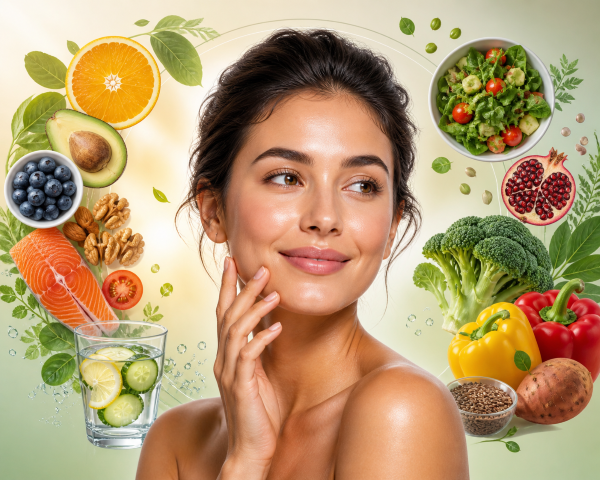
The Skin Is a Mirror of Internal Health
The skin is the body's largest organ — roughly 2 square metres of it. It is also a metabolically active tissue that reflects what is happening inside the body. Nutritional deficiencies, gut imbalances, hormonal shifts, and chronic inflammation all manifest visibly on the skin. While topical skincare addresses the surface, internal nutrition addresses the root.
Key Nutrients for Healthy Skin
Vitamin C — The Collagen Builder
Vitamin C is essential for collagen synthesis — the structural protein that gives skin its firmness and elasticity. It is also a potent antioxidant that neutralises free radical damage from UV radiation and pollution. The body cannot store vitamin C, so daily intake matters.
Best sources: amla (Indian gooseberry — one of the richest sources), guava, bell peppers, citrus fruits, strawberries, broccoli.
Vitamin E
A fat-soluble antioxidant that protects cell membranes from oxidative damage. Works synergistically with vitamin C — together they provide better UV protection than either alone. Found in almonds, sunflower seeds, olive oil, and avocado.
Omega-3 Fatty Acids
Omega-3s maintain the skin's lipid barrier — the layer that keeps moisture in and irritants out. Deficiency leads to dry, flaky, inflamed skin. They also reduce the inflammatory signalling that drives acne and eczema.
Sources: fatty fish (salmon, mackerel, sardines), flaxseed, walnuts, chia seeds.
Zinc
Zinc regulates sebum production, reduces inflammation, and accelerates wound healing. Low zinc is strongly linked to acne — and supplementation (at 30–45mg daily) has comparable results to low-dose antibiotics in multiple trials, without the risks of antibiotic resistance.
Sources: pumpkin seeds, legumes, meat, eggs, nuts.
Beta-Carotene (Pro-Vitamin A)
Converted to vitamin A in the body, beta-carotene is essential for skin cell turnover and repair. It gives skin a subtle golden glow at high dietary intakes. Found in carrots, sweet potato, mango, papaya, and leafy greens.
Collagen Peptides
Dietary collagen (from bone broth, fish skin, or supplements) provides amino acids that are preferentially used for collagen synthesis. A 2019 systematic review found that supplementation improved skin elasticity and hydration within 8–12 weeks. It works best when combined with adequate vitamin C.
Foods That Harm Skin
High-Glycaemic Foods
White rice, refined flour, sugar, and sweetened beverages spike blood glucose and insulin, which stimulates sebum production and androgen activity — both drivers of acne. Large observational studies consistently link high-glycaemic diets with more severe acne.
Dairy (for Some People)
The evidence here is mixed but consistent: high intakes of skim milk (not whole milk or yoghurt) are associated with increased acne risk in several studies. The mechanism appears to involve IGF-1 (insulin-like growth factor) and hormonal precursors present in milk. This does not affect everyone, but is worth trialling if acne is a persistent issue.
Ultra-Processed Foods
High in inflammatory seed oils, trans fats, additives, and sugar — these drive systemic inflammation that worsens acne, eczema, psoriasis, and accelerates skin ageing.
The Gut–Skin Axis
Emerging research has established a bidirectional relationship between gut health and skin. Dysbiosis (imbalanced gut microbiome) is associated with acne, rosacea, eczema, and psoriasis. Probiotic supplementation and a high-fibre, diverse plant diet improve gut barrier integrity, reduce systemic inflammation, and improve skin conditions through this axis.
Hydration and Skin
Dehydration reduces skin elasticity and makes fine lines more visible. While drinking more water does not dramatically plump already well-hydrated skin, chronic underhydration does reduce skin resilience. Prioritise hydration from both water and water-rich foods (cucumber, watermelon, coconut water).
Sun Protection — The Non-Negotiable
No amount of nutrition compensates for chronic unprotected sun exposure. UV radiation is the primary driver of photoageing (wrinkles, pigmentation, loss of elasticity) and skin cancer. A broad-spectrum SPF 30+ sunscreen used daily is the single most evidence-backed anti-ageing intervention available.
The Bottom Line
Healthy skin is built on a nutrient-dense, anti-inflammatory diet, adequate hydration, a balanced gut microbiome, and sun protection — all working from the inside out. Topical products address symptoms; nutrition addresses causes.